When it comes to fitness, women have heard it all—don’t lift heavy weights or you’ll get bulky, cardio is the best way to lose weight, or you need a different training program than men. The truth? Most of these are myths. Fitness isn’t just about looking good; it’s about feeling strong, confident, and empowered in your own body. Let’s break down what really works, backed by experts in health, nutrition, and exercise science.
The Science of Strength and Toning
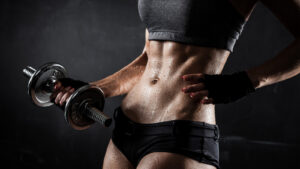
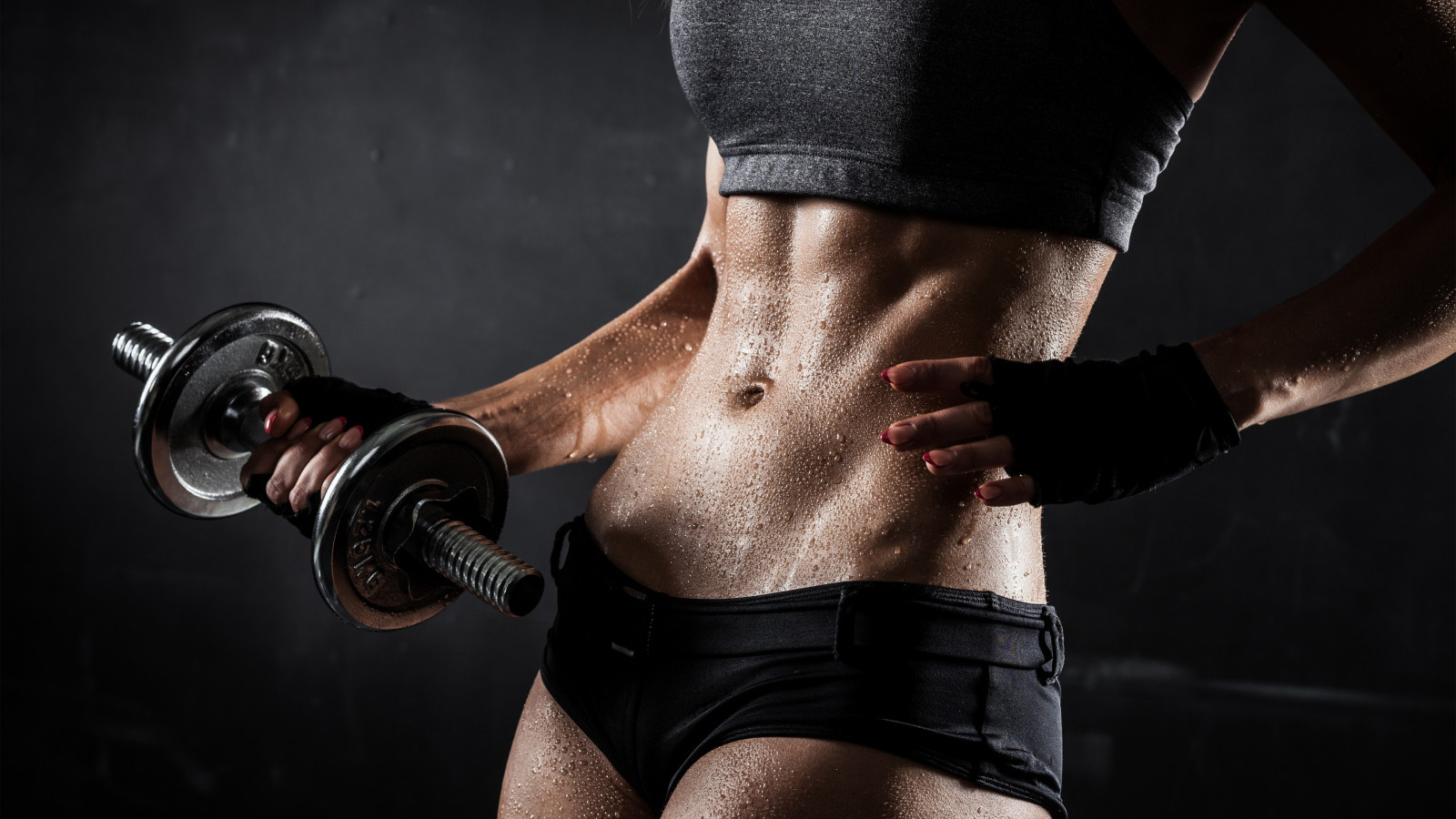
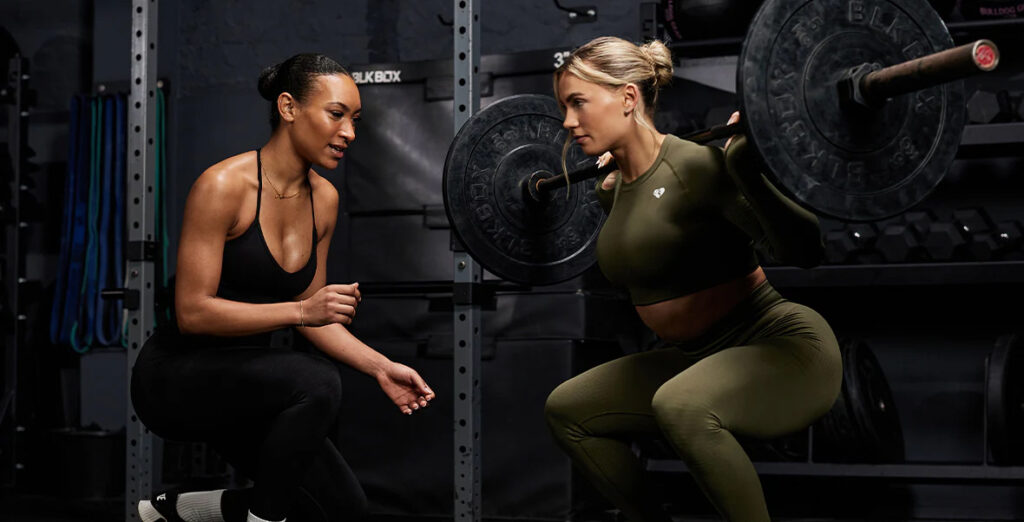
Women often avoid weight training due to the fear of bulking up, but research shows that resistance training is one of the best ways to sculpt and tone muscle while boosting metabolism. Dr. Brad Schoenfeld, a leading expert in muscle hypertrophy, explains, “Women don’t have enough testosterone to develop large, bulky muscles like men. Instead, strength training helps build lean muscle, which in turn enhances fat loss and overall body composition.”
A 2021 study published in the Journal of Strength and Conditioning Research confirms that resistance training improves bone density, reduces the risk of osteoporosis, and enhances metabolic rate—making it a critical component of any fitness plan for women.
How Nutrition Fuels the Journey
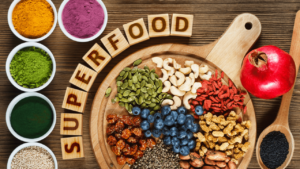
Exercise alone isn’t enough; nutrition plays a crucial role in sculpting and toning the body. Registered dietitian and sports nutrition expert Nancy Clark emphasizes the importance of protein for muscle repair and growth. “Women should aim for at least 1.2 to 2.0 grams of protein per kilogram of body weight per day, depending on their activity level,” Clark advises.
Dr. Stacy Sims, an exercise physiologist specializing in female physiology, also highlights the need for women to tailor their nutrition to hormonal fluctuations. For example, during the luteal phase of the menstrual cycle, women may require more carbohydrates to fuel workouts and maintain energy levels.
Cardio vs. Strength: Finding the Right Balance
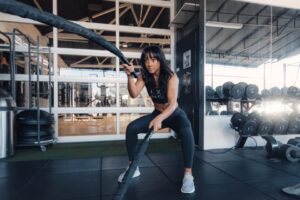
While cardio is often associated with fat loss, strength training is just as important—if not more so—for long-term body composition changes. “A mix of resistance training and cardiovascular exercise is ideal,” says Dr. Holly Perkins, certified strength and conditioning specialist. “You don’t have to spend hours on the treadmill. Short, high-intensity interval training (HIIT) sessions combined with strength training provide incredible results in less time.”
A 2018 study in Medicine & Science in Sports & Exercise found that HIIT not only burns fat effectively but also improves cardiovascular health and muscle endurance. This makes it an excellent addition to a balanced fitness routine.
The Mental and Emotional Benefits
Beyond physical changes, fitness is a powerful tool for mental and emotional well-being. The American Psychological Association reports that regular exercise reduces stress, anxiety, and symptoms of depression by releasing endorphins—our body’s natural mood boosters.
Dr. Kelly McGonigal, a health psychologist and author of The Joy of Movement, states, “Exercise isn’t just about changing your body; it’s about strengthening your mind and improving resilience.” Women who incorporate fitness into their daily lives often report higher self-confidence, better focus, and improved overall happiness.
Empowerment Through Consistency
The key to lasting results isn’t perfection—it’s consistency. Finding a routine that fits your lifestyle and goals is essential. Whether it’s lifting weights, taking dance classes, doing yoga, or running, the best workout is the one you enjoy and can stick to.
As fitness coach Kelsey Wells says, “Your body is your home. Treat it with respect, nourish it well, and move in ways that make you feel strong and confident.”
Conclusion
Sculpting, toning, and empowering yourself through fitness is about more than aesthetics—it’s about taking control of your health, both physically and mentally. By combining strength training, proper nutrition, balanced cardio, and a focus on mental well-being, women can build a sustainable fitness journey that enhances every aspect of their lives. So, ditch the myths, embrace the science, and step into your strength with confidence.
References
- Schoenfeld, B. J. (2021). Journal of Strength and Conditioning Research
- Clark, N. (2020). Sports Nutrition Guidebook
- Sims, S. (2016). ROAR: How to Match Your Food and Fitness to Your Unique Female Physiology
- American Psychological Association (2020). The Mental Health Benefits of Exercise
- McGonigal, K. (2019). The Joy of Movement
- Perkins, H. (2021). Women’s Strength Nation
- Medicine & Science in Sports & Exercise (2018). HIIT and Fat Loss Study
By following expert-backed strategies, every woman can embark on a fitness journey that is both empowering and effective.