
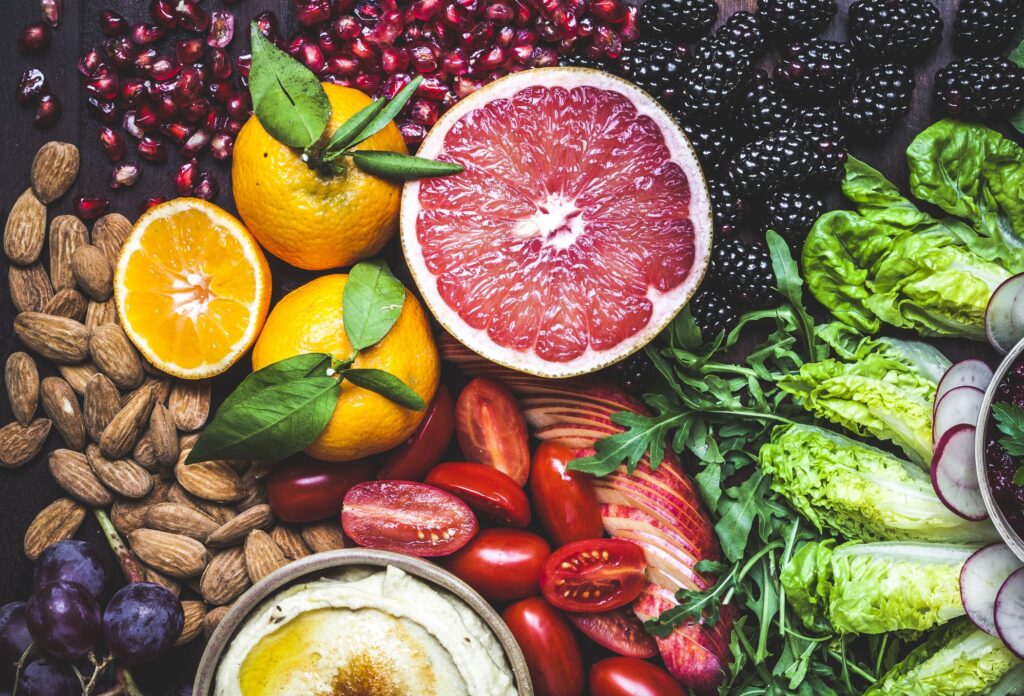
A balanced diet plays a crucial role in maintaining overall health and well-being. Among the essential components of a nutritious diet, fruits offer a powerhouse of vitamins, minerals, antioxidants, and dietary fiber necessary for optimal body function. Incorporating the right selection of fruits into your daily meals can enhance your immune system, support digestion, and contribute to long-term wellness. This article explores the key nutritional benefits of fruits and their vital role in a well-rounded diet.
The Nutritional Significance of Fruits
Fruits are rich in essential nutrients that support bodily functions. They provide a natural source of vitamins, including vitamin C, which is crucial for immune function, and vitamin A, which supports eye health. Additionally, they contain an array of minerals such as potassium, essential for maintaining proper blood pressure levels, and magnesium, which aids in muscle function and energy production (Slavin & Lloyd, 2012).
Furthermore, fruits are an excellent source of antioxidants, compounds that help neutralize harmful free radicals in the body. These antioxidants contribute to reduced inflammation and may lower the risk of chronic diseases, including cardiovascular disorders and certain cancers (Willett, 2019). The presence of dietary fiber in fruits also promotes gut health by supporting digestion and fostering beneficial gut bacteria (Dreher, 2018).
The Role of Fruits in Disease Prevention
Scientific research has consistently highlighted the importance of fruit consumption in reducing the risk of numerous health conditions. A diet abundant in fruits has been linked to improved heart health, as the combination of fiber, antioxidants, and essential nutrients aids in reducing cholesterol levels and maintaining healthy blood vessels (Hu, 2003). Additionally, the natural sugars found in fruits offer a healthier alternative to processed sugars, contributing to better glucose regulation and a lower risk of type 2 diabetes (Maki et al., 2019).
Fruits also play a role in weight management. Their high fiber and water content promote satiety, helping to control appetite and reduce overall calorie intake (Rolls, 2017). Moreover, the phytonutrients in fruits have been associated with cognitive benefits, potentially reducing the risk of neurodegenerative diseases (Joseph et al., 2009).
Incorporating Fruits into Your Diet
To maximize the nutritional benefits of fruits, it is advisable to consume a diverse selection regularly. Eating a variety of fruits ensures an adequate intake of different vitamins, minerals, and antioxidants essential for overall health. Fresh, frozen, or dried options can all be beneficial, as long as they are free from added sugars or preservatives.
Pairing fruits with other nutrient-dense foods, such as nuts, seeds, or yogurt, can enhance their health benefits by providing a balanced mix of macronutrients. Additionally, consuming whole fruits instead of fruit juices is preferable, as it preserves fiber content and prevents excessive sugar intake (Schulze et al., 2004).
Conclusion
Fruits are an indispensable component of a healthy diet, offering an array of essential nutrients that support bodily functions, prevent chronic diseases, and contribute to overall well-being. By incorporating a variety of fruits into daily meals, individuals can optimize their nutrition and promote long-term health. Understanding the powerful benefits of fruits empowers individuals to make informed dietary choices that foster a healthier lifestyle.
References
- Dreher, M. L. (2018). Handbook of Fruits and Fruit Processing. John Wiley & Sons.
- Hu, F. B. (2003). Plant-based foods and prevention of cardiovascular disease: an overview. The American Journal of Clinical Nutrition, 78(3), 544S-551S.
- Joseph, J. A., Shukitt-Hale, B., & Casadesus, G. (2009). Reversing the deleterious effects of aging on neuronal communication and behavior: beneficial properties of fruit polyphenolic compounds. The American Journal of Clinical Nutrition, 81(1), 313S-316S.
- Maki, K. C., Nieman, K. M., Schild, A. L., & Rains, T. M. (2019). Effects of consuming fruits and vegetables on plasma lipids and lipoproteins: A meta-analysis of randomized controlled trials. Journal of the American College of Nutrition, 38(6), 501-513.
- Rolls, B. J. (2017). The role of energy density in the overconsumption of fat. The Journal of Nutrition, 147(5), 876S-883S.
- Schulze, M. B., Manson, J. E., Ludwig, D. S., et al. (2004). Sugar-sweetened beverages, weight gain, and incidence of type 2 diabetes in young and middle-aged women. JAMA, 292(8), 927-934.
- Slavin, J. L., & Lloyd, B. (2012). Health benefits of fruits and vegetables. Advances in Nutrition, 3(4), 506-516.
- Willett, W. (2019). Eat, Drink, and Be Healthy: The Harvard Medical School Guide to Healthy Eating. Simon and Schuster.