

It’s a debate as old as veganism itself: is plant-based eating healthy?
Some argue that vegan diets lack essential nutrients, while others point to the health benefits of cutting out animal products.
So what’s the truth? There’s no simple answer, as veganism is a lifestyle rather than a diet.
In this article, we’ll give you our take on the matter and discuss some crucial points to consider, in case you’re someone who’s considering the vegan approach.
Let’s learn!
What Is Plant-Based Eating?
So what does plant-based eating actually entail? To put it simply, plant-based eating is a diet that focuses on consuming whole, unprocessed plants.
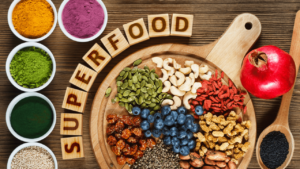
This includes fruits, vegetables, whole grains, legumes, nuts, and seeds.
Now, you might be thinking “wait a second, doesn’t that just mean veganism?”
Well, not necessarily.
While veganism is a type of plant-based diet (one that excludes all animal products), there are many other plant-based diets out there that allow for some (though little) animal products.
For example, pescatarians eat fish and seafood in addition to plants, while flexitarians (flexible vegetarians) occasionally include meat and dairy in their otherwise plant-heavy diets.
Certainly, though, the plant-based lifestyle has its pros and cons, so let’s have a look at those.
Pros
There’s been a recent surge of interest in plant-based diets and for good reason.
With all of the delicious options now available, it’s easy to see why more and more people are making the switch.
One key advantage that often gets overlooked is the ability to choose a diet that aligns with personal values and health goals.
For some people, this is about preference for fresh, plant-based foods that nourish the body and mind.
They may also choose this lifestyle to reduce their impact on the environment or because of ethical beliefs regarding food sourcing.
Whatever the reason, a plant-based diet offers a flexible approach that supports individual choices while promoting well-being and sustainability.
Cons
Fruits and vegetables are naturally lower in calories, which can mean needing to eat more frequently to meet energy needs, especially for active individuals.
When switching to a plant-based, especially fruit-based, some people experience temporary detox symptoms like fatigue, headaches, or digestive shifts as the body adjusts.
Depending on where you live, plant-based options may not always be as readily available when dining out or traveling. Social settings can also be tricky when surrounded by non-plant-based eaters.
What Is “Healthy Eating,” Even?
Healthy eating is about providing your body with the essential nutrients it needs to thrive, and it doesn’t have to look the same for everyone.
While some might lean towards kale and quinoa, others may prioritize balance in their approach.
The key is to nourish your body with a variety of nutrient-rich foods that promote well-being.
A plant-based diet can be a powerful way to do this, offering an abundance of fruits, vegetables, whole grains, and healthy fats, all packed with the nutrients your body craves.
It also means choosing foods that are minimally processed and free from harmful additives, ensuring your body gets the best fuel possible.
If you choose a plant-based approach, variety is essential to ensure you’re covering all your nutritional needs.
If it’s a lifestyle that works for you and aligns with your long-term goals, it can absolutely be a sustainable and nutritious choice for optimal health.
Final Thoughts
So, what do you think? Are plant-based diets healthy?
There’s a lot of information out there and it can be hard to know who or what to believe.
But one thing is for sure – we all need to find the approach we can stick to in the long term.
This is what truly yields good results, both for our fitness, health, and overall quality of life.
What’s your favorite plant-based dish? Comment below!